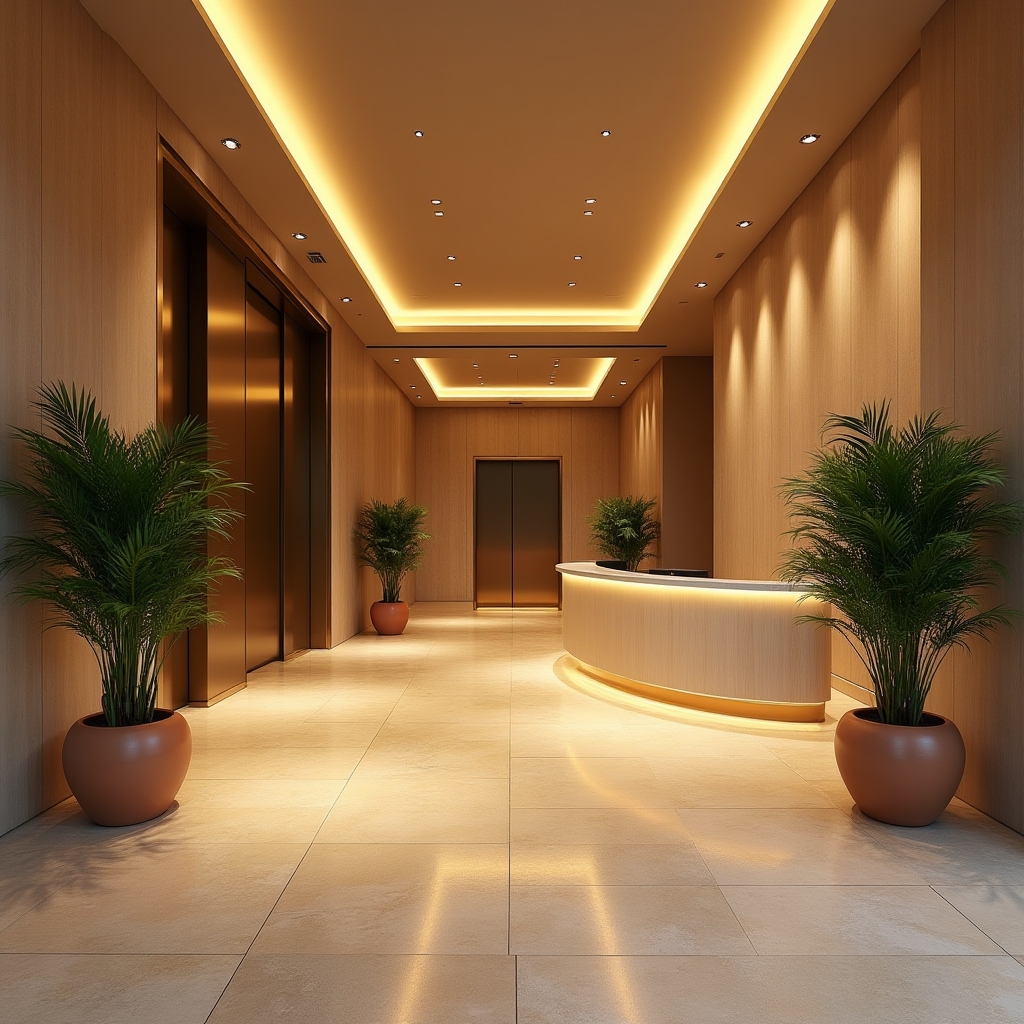
Elegantly designed residential building lobby with warm lighting and premium finishes
Common Area DesignNew Residential Buildings · Chile
Molxedi Consultancy

Common areas that define how a building is valued

Most developers invest heavily in the model apartment and then deliver a quincho with a cheap grill and four plastic chairs. We design shared spaces — lobbies, quinchos, cowork areas, and terraces — that raise the perceived value of the entire building and prevent conflicts among co-owners.

The Recurring Problem

The pilot apartment gets all the attention. Common areas get what's left.

In Chile's residential development market, common spaces are often treated as an afterthought. Budget allocations prioritize show units, while lobbies, quinchos, and cowork areas receive minimal design investment.

  • Lobbies that feel institutional rather than welcoming
  • Quinchos with inadequate ventilation and poor layout
  • Cowork spaces that nobody actually uses
  • Terraces with no shade, no seating logic, no identity
  • Conflicts between co-owners over poorly designed shared rules
The Molxedi Approach

Shared spaces designed from the first sketch, not as an afterthought.

We work with developers from early planning stages to ensure common areas are designed with the same intentionality as private units — because they represent the building's daily lived experience for every resident.

  • Lobbies that communicate quality from the first impression
  • Quinchos with proper ventilation, lighting, and social flow
  • Cowork spaces designed around actual resident work habits
  • Terraces with defined zones, weather logic, and visual identity
  • Usage guidelines that reduce friction between residents
What We Design

Every shared space,
thoughtfully considered
Scroll to explore
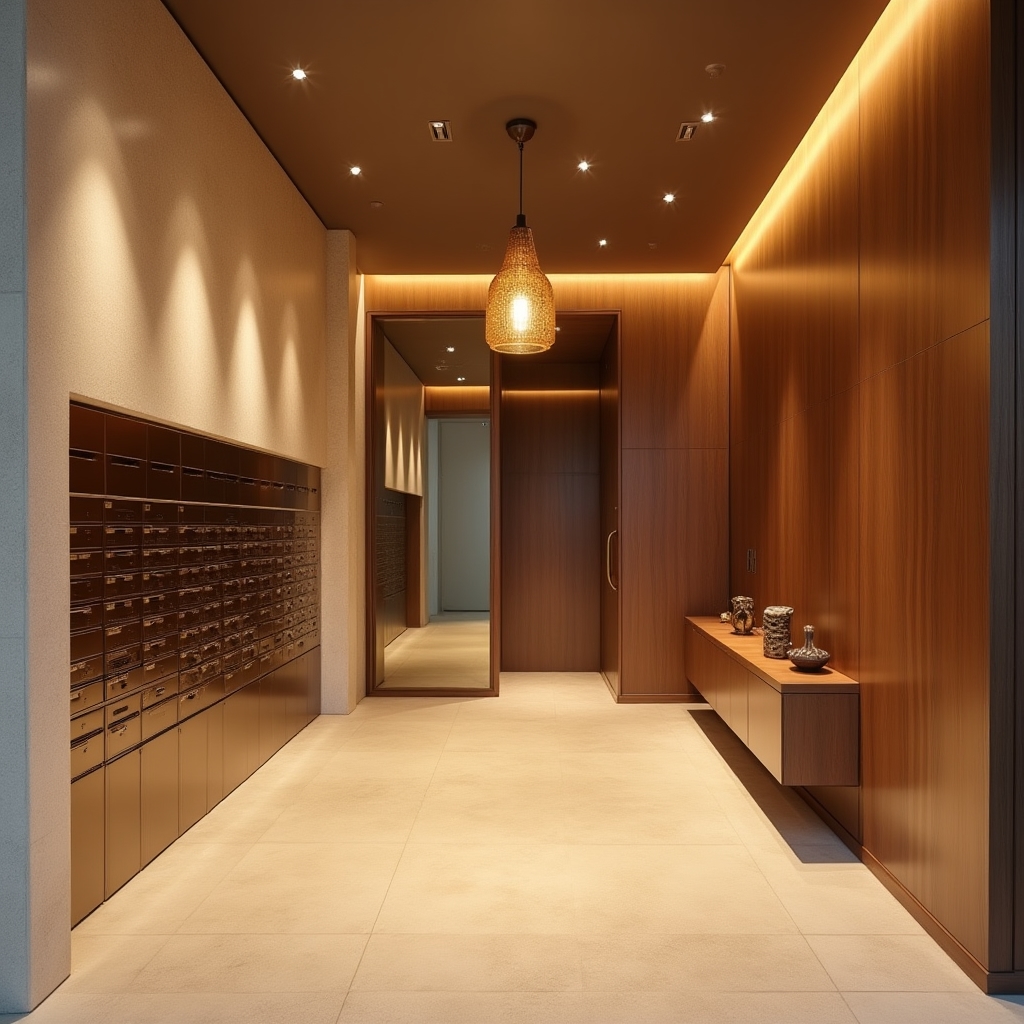
Modern residential building lobby with warm lighting and stone finishes

Lobbies & Entrance Halls

The first and last space every resident experiences daily. We design lobbies that communicate building quality, manage circulation flow, and create a sense of arrival.

First Impression
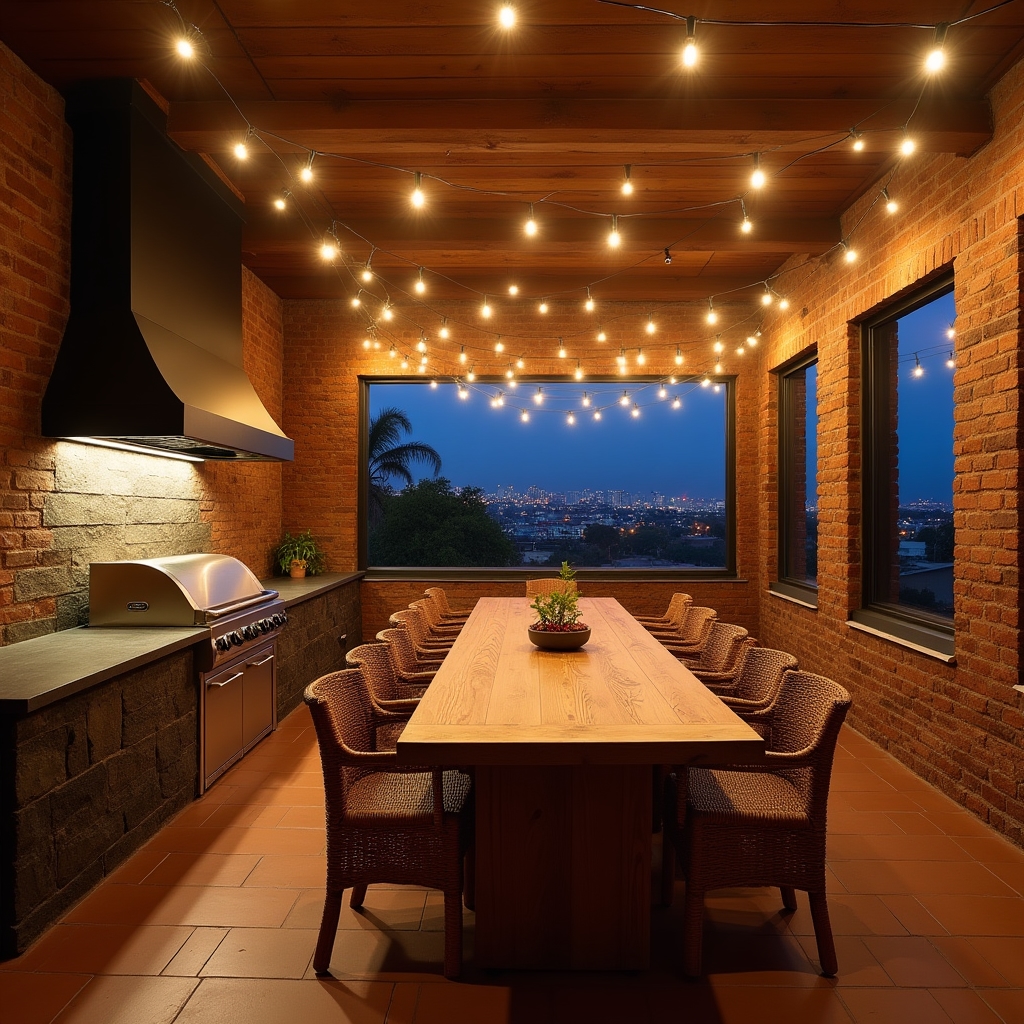
Well-designed residential quincho with built-in grill, proper ventilation, and warm ambient lighting

Quinchos & BBQ Areas

A quincho that actually works: proper ventilation, logical seating layout, durable materials, and a design that holds up to real use — not just the sales brochure.

Social Spaces
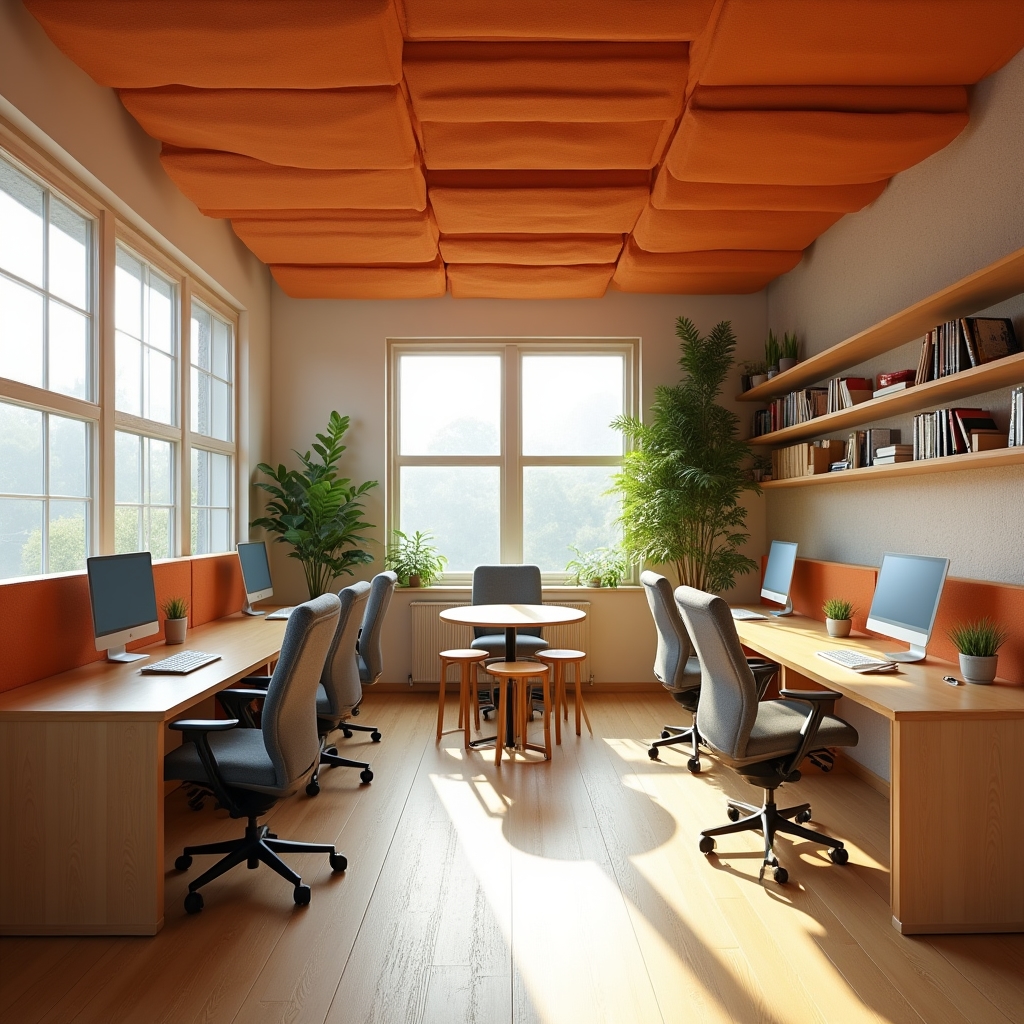
Bright residential cowork space with ergonomic seating, natural light, and acoustic panels

Cowork & Study Areas

Remote work has changed what residents need. We design cowork spaces with proper acoustics, ergonomic layout, adequate lighting, and connectivity infrastructure.

Productive Spaces
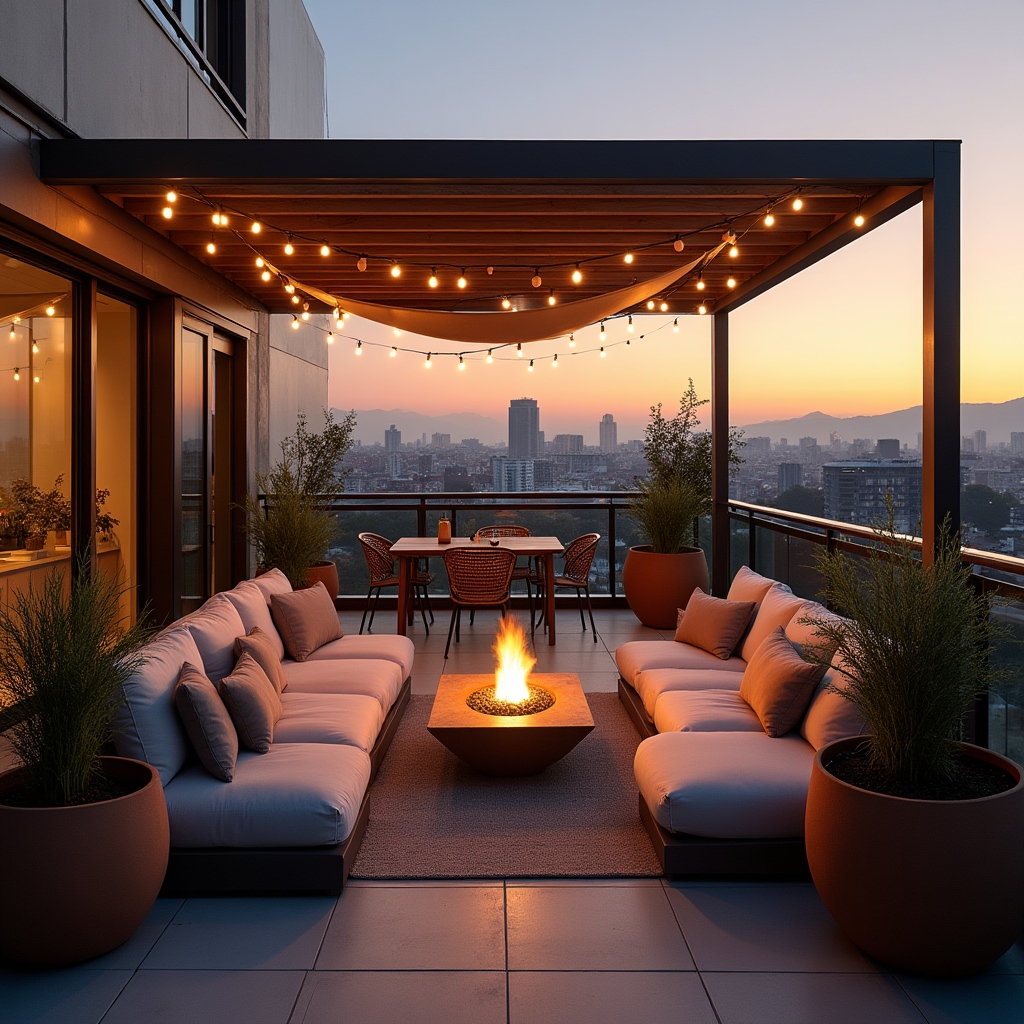
Rooftop shared terrace with defined seating zones, planters, and city views

Shared Terraces & Rooftops

Outdoor shared spaces require careful zoning, weather consideration, and maintenance logic. We design terraces that residents actually want to use year-round.

Outdoor Living
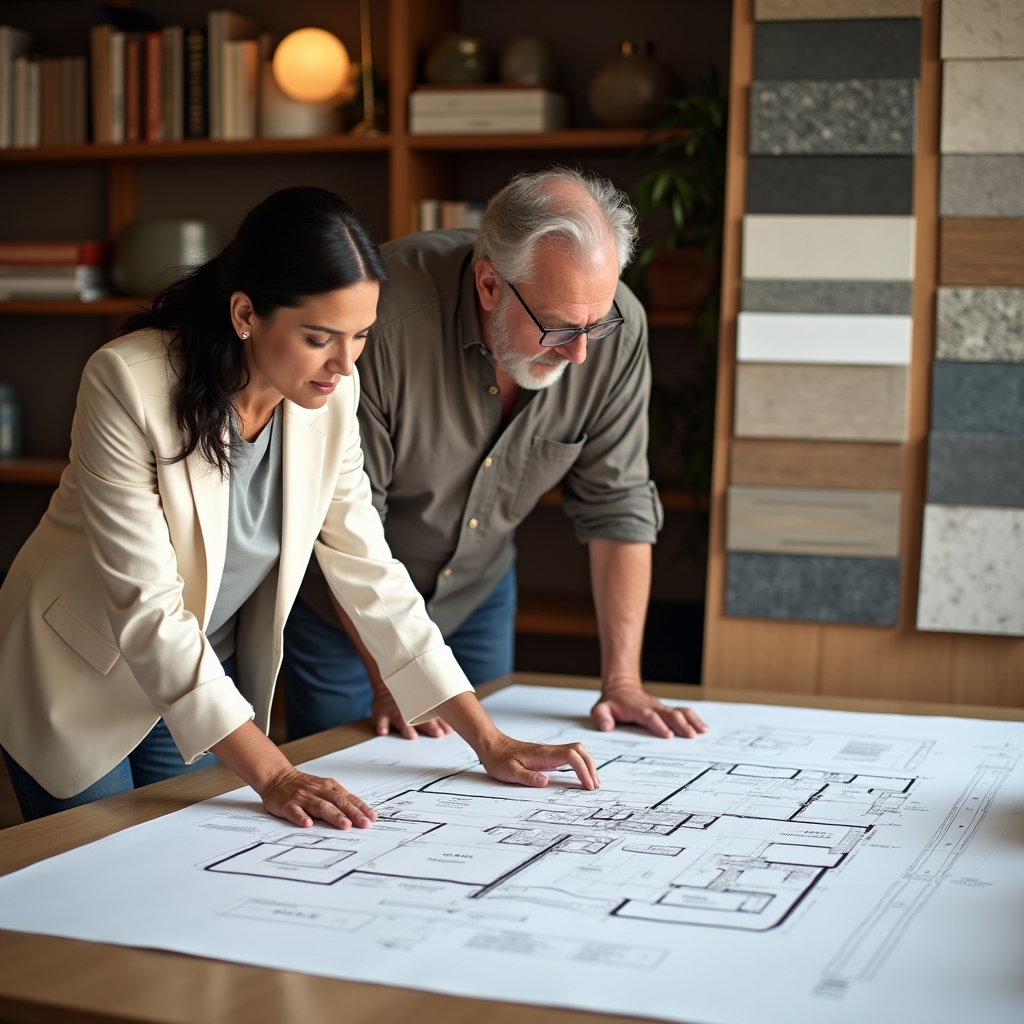
Architects reviewing common area floor plans and material samples on a large table

Space Planning & Consulting

From program definition to material specifications, we provide technical consulting that integrates common areas into the overall building design from the earliest stages.

Strategic Planning
How We Work

A clear process from
brief to handover

We integrate with your development timeline at any stage, from early planning to pre-delivery review.

01

Diagnosis & Brief

We review the building program, target resident profile, and available budget to define what common areas should achieve — functionally and experientially.

02

Concept & Layout

We develop spatial concepts with floor plans, mood references, and material direction — giving developers a clear vision before committing to detailed design.

03

Design Development

Detailed design documentation including material specifications, furniture selection, lighting layout, and technical requirements for contractors and suppliers.

04

Implementation Review

We review execution against design intent, coordinate with construction teams, and ensure the delivered space matches what was promised to buyers.

Design team reviewing building plans and material samples in a professional consultation setting
Why It Matters

Common areas shape the daily life of every resident

Private apartments are where residents sleep. Common areas are where they live as a community. Poorly designed shared spaces generate friction, complaints, and long-term dissatisfaction with the building.

Perceived Value Increase
Well-designed common areas influence how buyers and residents perceive the quality of the entire building — affecting both initial sales and long-term satisfaction.
Fewer Co-owner Conflicts
Spaces designed with clear usage logic and appropriate capacity reduce the disputes that emerge in building assemblies over shared area management.
Developer Reputation
Buildings where common areas match the quality of private units generate better word-of-mouth and support stronger positioning in future projects.
Common Questions

What developers typically ask

Practical answers about how common area design works in the context of residential development in Chile.
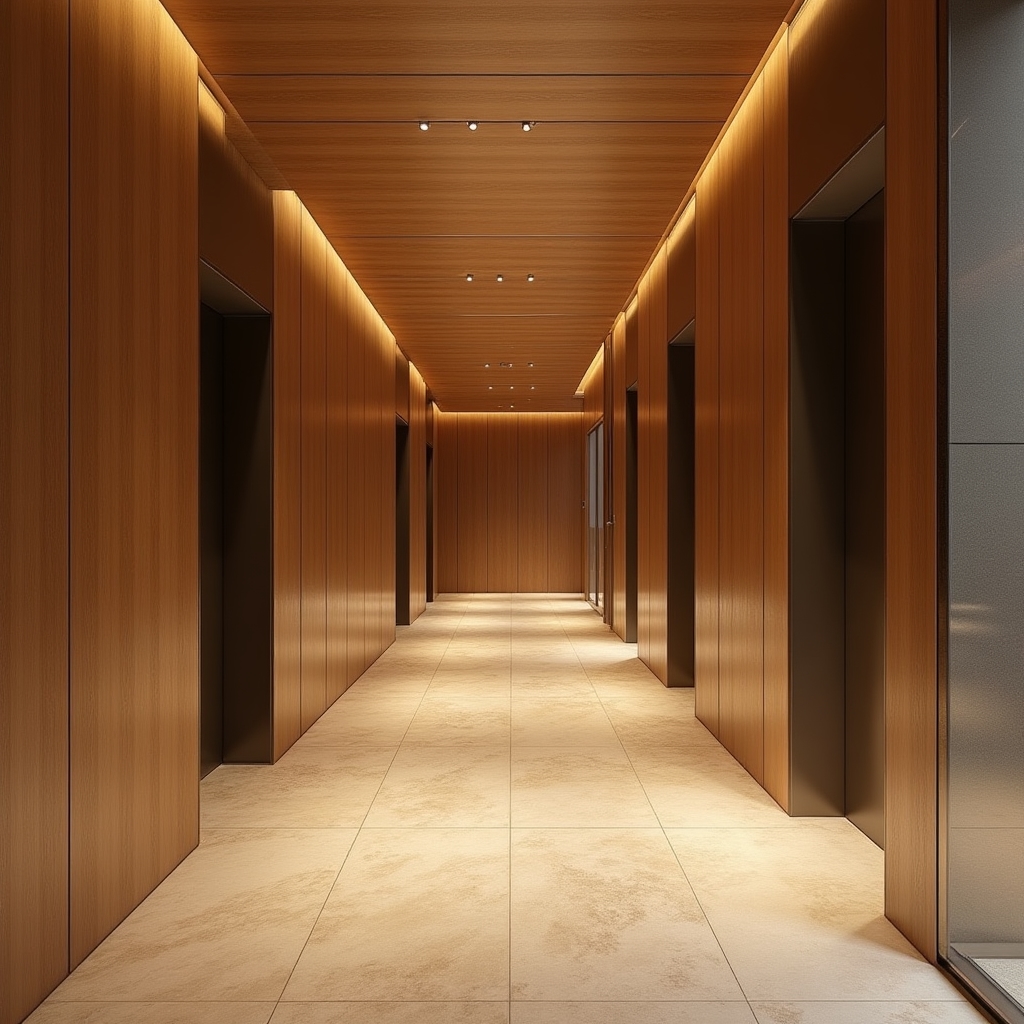
Overview of a residential building's common areas including lobby and amenity spaces
The earlier the better. Ideally, we participate from the program definition phase — before architectural design is finalized — so that common areas are planned with appropriate square footage, structural provisions, and budget from the start. That said, we also work on projects in later stages where the spaces exist but haven't been designed in detail yet.
Yes. Our role is complementary, not competitive. We work alongside the project architect, focusing specifically on the interior design and spatial logic of common areas. We coordinate directly with the architectural team to ensure our specifications integrate cleanly with the structural and technical drawings.
We focus on new residential buildings in Chile — primarily mid-to-high density apartment projects in Santiago and other urban centers. Our work is most relevant for buildings with meaningful common area programs: lobbies, quinchos, cowork spaces, gyms, or shared terraces that represent a real part of the building's value proposition to buyers.
Most co-owner conflicts about common spaces stem from ambiguity: unclear usage rules, insufficient capacity for the number of units, poor acoustic separation, or spaces that attract competing uses simultaneously. We design with these friction points in mind — defining clear zones, appropriate capacity, acoustic buffers, and usage logic that the building administration can communicate clearly to residents from day one.
Budget constraints are a reality in every project. Our approach prioritizes design decisions that deliver maximum perceived value relative to cost — choosing materials, finishes, and layouts that communicate quality without requiring luxury budgets. We also help developers understand where investment in common areas generates the most return in terms of buyer perception and resident satisfaction.
Yes. Our design development phase produces detailed documentation: material specifications with supplier references, furniture layouts with product specifications, lighting plans, and technical notes for contractors. We can also participate in the review of contractor quotations and execution to ensure the built result matches the design intent.

Your next building deserves spaces people actually use

Let's talk about your project's common areas — what they could be, and how we can help you get there.

Start a Conversation